6 April 2026
7:00 pm (Central)
The Library Center, 4653 S. Campbell Ave., Springfield, MO and Zoom
Virginia suffered massive record loss during the colonial period; however, efforts by numerous individuals and institutions have located copies of some and substitutes for others, many of which are now available online. Barbara Vines Little, CG®, editor of the Magazine of Virginia Genealogy, will explore these "recovered" records as well as those that survive.
Attendance Options: In person at The Library Center or by Zoom. Members will receive a Zoom link by email or find the link at ozarksgs.org > programs. Members must login for access.
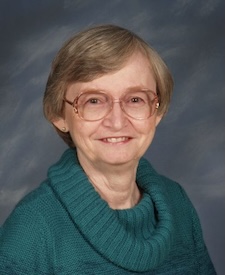
In this presentation,
A strong start in pursuing genealogical connections is made with the U.S. federal censuses that provide an every-ten-year snapshot of our ancestors’ lives. But state and territorial censuses often fill in gaps that are otherwise missed. Patti Hobbs will explain the rich corpus of information available in both the federal and other censuses.
Your genealogy software is more than just a place to hang leaves on a tree—it’s a powerful tool for project management. Join Certified Genealogist Michelle Dickens as she showcases how to use the built-in features of RootsMagic to plan, document, and organize your research from start to finish. Stop just 'building a tree' and start mastering the research process.
When an answer is elusive, do you tend to give up? Don’t stop just because one thing didn’t turn up any records for you. There are always more databases, digitized collections, online books, and so much more to find. In this lecture Certified Genealogist Cari Taplin discusses “genealogical perseverance” through examples and how they were overcome.
What do a teenaged boy from Virginia in 1776, a South Carolina farmer in 1781, and a North Carolina merchant who emigrated from Scotland in 1772 have in common? These three men and dozens of others who served the patriot cause in the American Revolution were all early settlers in the Cape Girardeau District, Missouri. Indeed, the Revolution set off a chain of events that led to the founding of Cape Girardeau and a number of other eastern Missouri communities. The increasing availability of a variety of records has made research on Revolutionary ancestors easier than ever. In this presentation Bill Eddleman—coordinator of the Cape Girardeau Research Center of the State Historical Society of Missouri—focuses on case studies of 12 men who emigrated to the Cape Girardeau District from 1797 to 1830 and contributed to the new settlement. Use of traditional and newly-available records and their value in similar research will be emphasized.
Todd Knowles, Deputy Chief Genealogical Officer at FamilySearch, discovered his Jewish roots at an early age. Since then, he has worked to create a collection of genealogical records for nearly 1.5 million Polish Jews. Todd will demonstrate the use of FamilySearch’s new AI tools to rebuild the Jewish community of Fordon, Poland, a community wiped out during the Holocaust, and help attendees find records of their Jewish ancestors.
Separated from Virginia and North Carolina respectively, Kentucky and Tennessee achieved statehood in the late 18th century. Many people moved to these frontier settlements, and many eventually moved on to other states. Academic librarian and genealogist Lori Thornton will discuss genealogical sources—both in person and online—that will provide a better understanding of the region and its inhabitants and perhaps name your ancestors.
Our ancestors should be more alive to us than names and dates on a chart. Follow along with Annette Lyttle, Certified Genealogist, as she tells the tale of the amazing life of William Crout, Civil War veteran, hotel owner, rancher, and local character, and learn how it’s possible to reconstruct life stories in surprising detail with resources available online. Along the way, we’ll talk about some sound research methods.